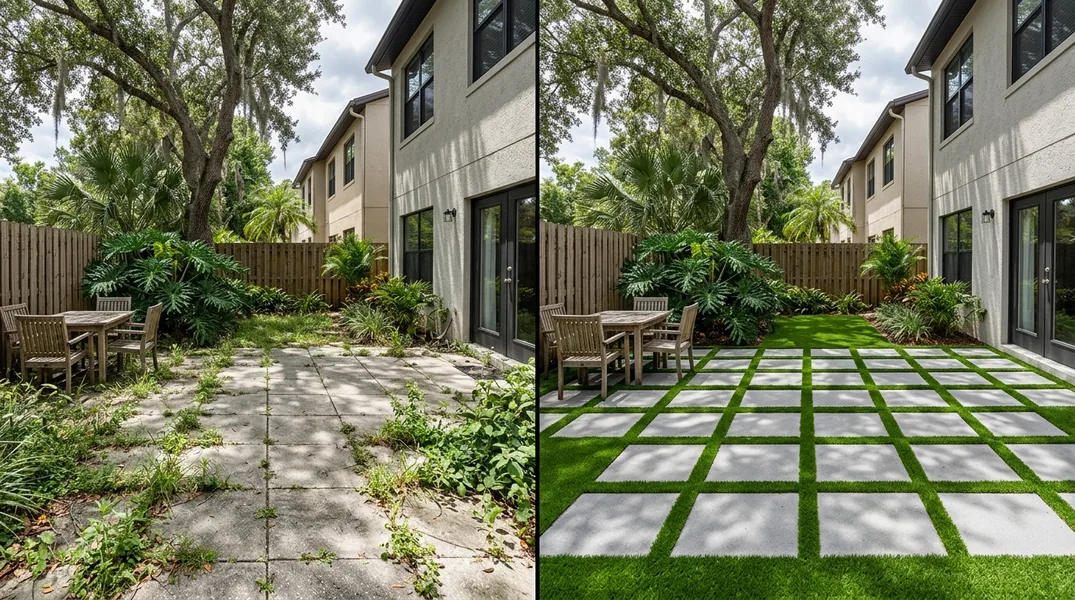
Understanding Florida's 2026 Synthetic Turf Regulation Update
If you own a home in Tampa or live in an HOA-governed community, you've likely heard discussions about artificial grass regulations. In 2026, Florida introduced updated guidelines for synthetic turf that directly affect residential properties, homeowner associations, and Community Development Districts (CDDs). These changes were designed to address environmental concerns, aesthetic standards, and property value considerations that have evolved since artificial grass became mainstream in Florida.
The new rules represent a shift in how local municipalities and HOAs approach Tampa area synthetic turf installations. Rather than a blanket ban or complete approval, the 2026 update introduces more nuanced requirements that homeowners need to understand before installing artificial grass on their properties. Whether you're considering a Residential Artificial Grass Installation or already have turf in place, staying informed about these regulations is essential to avoid costly compliance issues.
How the New Rules Impact Artificial Grass HOA Regulations
Homeowner associations have always held significant power over property aesthetics, and the 2026 update has given many HOAs clearer guidelines for managing artificial grass approvals. One of the most significant changes involves how Tampa Bay area HOAs can regulate artificial grass in common areas and front yards. The new framework requires HOAs to establish written policies that are transparent and applied consistently across all properties. This means your HOA can no longer arbitrarily deny artificial grass installations if they meet state-approved specifications.
The regulation also mandates that HOAs provide homeowners with clear documentation about what types of artificial grass are acceptable, including specifications for pile height, color standards, and drainage requirements. If your HOA previously rejected your artificial grass proposal, the 2026 rules may have changed the landscape. Many HOAs are now updating their bylaws to align with the new state standards, which often allows for higher-quality synthetic turf than older restrictions permitted. If you're dealing with an HOA that seems resistant to your artificial grass plans, understanding these new requirements gives you stronger negotiating ground. The key is ensuring your chosen product meets the state's environmental and durability standards.
Front Yard Artificial Grass: What Changed for Tampa Homeowners
Front yard artificial grass installations have always been more regulated than backyard applications, but the 2026 update brings important clarifications for residential properties. The new rules establish minimum quality standards that artificial grass products must meet, including specific requirements for UV resistance, drainage capacity, and infill materials. For homeowners in Temple Terrace and surrounding areas, this means the artificial grass you install today must comply with these enhanced environmental and performance standards.
One significant change involves drainage requirements. The 2026 regulation specifies that artificial grass installations must include proper drainage systems to prevent water accumulation and reduce environmental impact during heavy Florida rainfall. This is particularly important for Tampa Bay residents who experience intense summer storms. Additionally, the rules now address infill materials more strictly, with limitations on certain types of crumb rubber and requirements for permeable, eco-friendly alternatives. If you're planning a front yard artificial grass installation, working with an experienced installer who understands these new compliance requirements is crucial. Tampa Turf Installation stays current with all state and local regulations to ensure your installation meets 2026 standards from day one.
CDD Regulations and Community Development District Artificial Grass Rules
Community Development Districts, which govern many newer residential communities in the Tampa Bay area, now have specific frameworks for managing synthetic turf within their boundaries. The 2026 update provides CDDs with standardized criteria for approving or denying artificial grass installations, reducing the inconsistency that previously frustrated homeowners. CDDs must now publish their artificial grass policies in accessible formats and provide clear application processes for residents seeking approval.
If you live in a CDD-governed community, the good news is that the new regulations generally support artificial grass installations that meet state standards. CDDs can no longer impose arbitrary restrictions beyond what the state guidelines allow. However, they can still establish community-specific aesthetic standards, such as requiring turf that matches a particular shade of green or mandating specific pile heights. Before installing artificial grass in a CDD community, contact your district's management office to review their current policies. Many CDDs have already updated their guidelines to align with the 2026 regulations, making the approval process smoother than it may have been in the past.
Environmental Compliance and New Material Standards for 2026
Florida's 2026 synthetic turf regulation places significant emphasis on environmental responsibility, reflecting growing concerns about microplastics and water quality. The new standards require that artificial grass products meet specific environmental benchmarks, particularly regarding infill materials and drainage. Traditional crumb rubber infill, once common in artificial grass installations, now faces restrictions in many applications. Instead, the regulations encourage the use of alternative infill materials such as cork, coconut husk, silica sand, or recycled polyethylene terephthalate (rPET).
These environmental changes mean that when you invest in Residential Artificial Grass Installation, you're getting a product designed with environmental sustainability in mind. The new materials not only meet regulatory requirements but often provide improved performance characteristics, including better temperature regulation and enhanced durability. For homeowners concerned about their environmental footprint, the 2026 regulations actually represent a positive shift toward more responsible synthetic turf options. When getting a free estimate from Tampa Turf Installation, our team can discuss which environmentally compliant materials best suit your property and budget.
Taking Action: Compliance Steps for Tampa Bay Homeowners and HOAs
If you already have artificial grass installed before 2026, you may wonder whether you need to make changes to comply with the new regulations. The answer depends on several factors, including your specific installation date, local ordinances, and whether your HOA or CDD has updated their policies. Generally, existing installations that were compliant when installed are grandfathered in under the new rules. However, if you're planning to replace, expand, or install new artificial grass, you must meet 2026 standards.
The first step is to verify your local requirements. Contact your city or county planning department, your HOA board (if applicable), or your CDD management to understand the specific rules that apply to your property. Next, work with a qualified installer who understands the 2026 regulations and can recommend compliant products. Tampa Turf Installation has extensive experience navigating Florida's artificial grass regulations and can guide you through the compliance process. Whether you're interested in Pool Surround Turf, Pet Turf & Dog Run Installation, or standard residential applications, we ensure every project meets current state and local standards. Call us at (786) 461-1575 to discuss your specific situation and learn how the new regulations affect your plans.
Looking for a professional artificial grass installation company in Tampa? Tampa Turf Installation responds fast for all your artificial grass installation needs.
Get a Free Quote